What Is a Thyroid Nodule? Symptoms, Causes, and Treatment
A thyroid nodule is a common health condition that develops within the thyroid gland and is often detected incidentally. While most thyroid nodules are benign, some may require close monitoring or treatment. The size, structure, and hormonal activity of the nodule are the main factors that determine follow-up and treatment strategies.
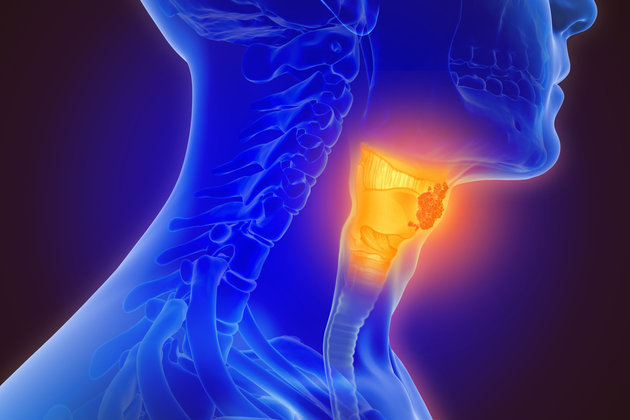
What Is a Thyroid Nodule?
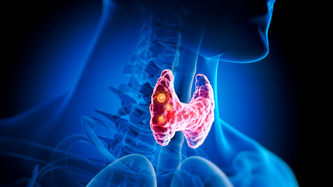
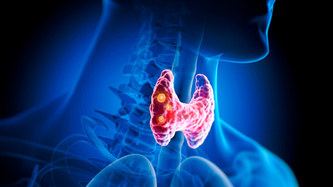
A thyroid nodule is defined as an abnormal growth of tissue within the thyroid gland, which is located at the front of the neck just below the larynx. These nodules may be solid, fluid-filled (cystic), or mixed in nature, containing both solid and cystic components. Thyroid nodules may appear as a single lesion or as multiple nodules, a condition known as multinodular goiter.
This condition is quite common in the general population and becomes more prevalent with advancing age. Thyroid nodules are often discovered incidentally during routine physical examinations or neck ultrasound imaging.
The majority of thyroid nodules are benign and may not cause symptoms for long periods. However, because a small percentage may carry a risk of malignancy, each nodule should be carefully evaluated. Nodules may produce excessive thyroid hormones, produce no hormones at all, or indirectly affect hormone balance. Hormone-producing nodules can cause symptoms such as palpitations, weight loss, and excessive sweating, while large nodules may lead to mechanical symptoms such as a feeling of pressure in the throat, difficulty swallowing, and hoarseness.
Types of Thyroid Nodules
In addition to the symptoms they cause, the structural characteristics of thyroid nodules play a critical role in diagnosis and treatment. Not all nodules behave in the same way—some require only observation, while others need closer monitoring or intervention.
Thyroid nodules may be classified as follows:
-
Solid nodules: Predominantly composed of tissue; require careful evaluation due to a higher risk of malignancy
-
Cystic nodules: Fluid-filled nodules; usually benign
-
Mixed nodules: Contain both solid and cystic components
-
Hot nodules: Hormone-producing nodules; typically benign
-
Cold nodules: Non–hormone-producing nodules; require closer monitoring
What Causes Thyroid Nodules?
Thyroid nodules do not develop due to a single cause; they usually result from a combination of factors. Hormonal changes, iodine imbalance, and immune system disorders that affect thyroid structure and function play a significant role in nodule formation. Genetic predisposition, environmental factors, and age-related structural changes in thyroid tissue may also contribute.
Common causes of thyroid nodules include:
-
Iodine deficiency
-
Overactive or underactive thyroid gland
-
Genetic predisposition
-
Autoimmune thyroid diseases
-
Benign growths of thyroid tissue
-
Advancing age
What Are the Symptoms of Thyroid Nodules?
Thyroid nodules often progress silently and may not cause symptoms for many years. As a result, many nodules are detected incidentally during routine health check-ups or neck ultrasound examinations performed for other reasons.
However, as a nodule grows, affects thyroid hormone production, or exerts pressure on surrounding tissues, various symptoms may develop. Large nodules may cause mechanical symptoms, while hormone-producing nodules may lead to metabolic changes.
Possible symptoms associated with thyroid nodules include:
-
Swelling or a palpable lump in the neck
-
Difficulty swallowing
-
A sensation of pressure or fullness in the throat
-
Hoarseness
-
Shortness of breath (in large nodules)
-
Palpitations or weight changes (in hormone-producing nodules)
How Is a Thyroid Nodule Diagnosed?
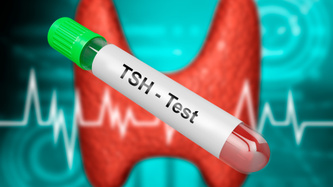
Diagnosis of a thyroid nodule typically begins with a physical examination. This is followed by thyroid ultrasound to assess the size, structure, and number of nodules. Thyroid hormone tests (TSH, T3, T4) may be performed when necessary. If malignancy is suspected, a fine-needle aspiration biopsy is used for cytological evaluation.
Thyroid Nodule Treatment
Treatment of thyroid nodules is planned based on the type and size of the nodule, whether it produces hormones, and the risk of cancer. Small, benign nodules are usually monitored with regular follow-up. Hormone-producing nodules may be treated with medication or minimally invasive procedures. Surgical treatment may be considered for nodules that are suspicious or carry a risk of malignancy. Treatment decisions should always be made on an individual basis.
What Helps with Nodules Felt in the Throat?
There is no method that directly “dissolves” thyroid nodules. However, certain lifestyle habits that support thyroid health may positively influence follow-up. Adequate iodine intake, regular medical check-ups, and maintaining balanced thyroid function are important. Herbal or alternative treatments should only be used after consulting a physician.
What Should People with Thyroid Nodules Pay Attention To?
Regular follow-up is essential for individuals with thyroid nodules. Growth rate should be monitored through periodic ultrasound examinations and hormone tests. Unnecessary iodine supplementation should be avoided, and medications should not be used without a doctor’s recommendation.
Frequently Asked Questions About Thyroid Nodules
Can thyroid nodules turn into cancer?
Approximately 90–95% of thyroid nodules are benign and do not become cancerous. However, certain ultrasound findings, rapid growth, or a firm structure may increase cancer risk. Therefore, regular ultrasound monitoring and biopsy when necessary are crucial.
Can thyroid nodules disappear on their own?
Some small, fluid-filled (cystic) nodules may shrink or become less significant over time. Maintaining hormone balance and regular follow-up may support this process. However, most thyroid nodules do not completely disappear and are typically monitored.
Is surgery necessary for thyroid nodules?
Surgery is not required for every thyroid nodule, and most patients do not need surgical treatment. The decision for surgery is based on growth rate, structural features, and biopsy results. Surgery is usually recommended for nodules that are suspicious, cause pressure symptoms, or grow rapidly.
Last Updated Date: 23 January 2026
Publication Date: 23 January 2026
0 mn













 Related Medical Articles
 Doctors
