What Is Kidney Pain? Symptoms, Causes, and Treatment
Kidney pain is an important complaint typically felt on the sides of the lower back and may indicate an underlying kidney or urinary tract problem. Although it can be confused with simple muscle pain, kidney-related pain often occurs together with additional symptoms. Pain that starts suddenly, is severe, or recurs should be taken seriously. Correctly identifying the cause of kidney pain is essential for planning appropriate treatment.

What Is Kidney Pain?
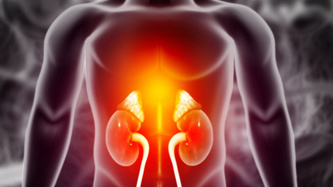
Kidney pain refers to pain felt in the side and back areas of the lower back, just below the ribs—where the kidneys are anatomically located. In medicine, this region is called the flank and is the most common area where kidney-related pain is perceived. Kidney pain is often caused by conditions affecting the kidneys themselves, the urinary tract, or diseases that disrupt how these structures function.
The pain may present as mild pressure or a deep, dull ache. In conditions such as kidney stones, it may also appear as sudden, severe attacks that come in waves.
One key feature of kidney pain is that it usually does not completely go away with movement or changes in position—this helps distinguish it from back muscle pain. Kidney pain may be accompanied by burning during urination, frequent urination, blood in the urine, fever, chills, nausea, or vomiting. The duration, severity, whether it occurs on one side or both sides, and associated symptoms provide important clues to possible causes such as stones, infection, inflammation, or structural problems.
What Causes Kidney Pain?
Kidney pain can have many different causes, ranging from mild issues to more serious conditions. The most common causes are kidney stones and urinary tract infections. In addition, kidney inflammation, cysts, and conditions that block urine flow may also lead to pain. Trauma and certain systemic diseases can also be responsible. Whether the pain begins suddenly or develops gradually is important for diagnosis.
What Causes Right-Sided Kidney Pain?
Right-sided kidney pain may result from conditions affecting the right kidney or from problems that refer pain to that area. Common causes include kidney stones, infections in the right kidney, and blockages in the urinary tract. In addition, some gallbladder- or liver-related problems may cause symptoms that can be mistaken for right kidney pain. Therefore, differential diagnosis is important.
What Causes Left-Sided Kidney Pain?
Left-sided kidney pain is often associated with issues involving the left kidney. Kidney stones, infections, and cystic formations on the left side may cause pain. However, certain conditions related to the spleen or large intestine can mimic left kidney pain. Having pain on the left side does not necessarily mean the cause is the kidney—detailed evaluation is required.
What Are the Symptoms of Kidney Pain?
Kidney pain often does not occur alone and may be accompanied by other symptoms that provide information about how severely the kidneys are affected. Some symptoms require urgent evaluation.
Symptoms that may accompany kidney pain include:
-
Pain in the sides of the lower back
-
Burning or pain during urination
-
Frequent urination
-
Blood in the urine
-
Fever and chills
-
Nausea and vomiting
-
Fatigue and a general feeling of unwellness
How Can You Tell If It’s Kidney Pain?
Kidney pain typically has a different character than back muscle pain. It is usually felt on the sides rather than the center of the back and does not always improve with changes in position. Urinary symptoms increase the likelihood that the pain is kidney-related. A definitive distinction requires medical evaluation.
Where Is Kidney Pain Felt?
Kidney pain is most commonly felt on either side of the lower back, just under the ribs. It may be one-sided and concentrated on the right or left flank. Some people describe it as a deep pain in the back of the abdomen. The location of pain is an important clue in identifying the underlying cause.
Where Can Kidney Pain Radiate?
Kidney pain is not always limited to the lower back and may spread to other areas. It can radiate from the flanks to the front of the abdomen, the groin area, and sometimes the inner thighs. This is especially common with kidney stones, where the pain comes in waves and may shift location. This pattern may indicate irritation moving along the urinary tract. Where the pain radiates can help distinguish the underlying cause.
How Is Kidney Pain Diagnosed?
Diagnosis begins with a detailed medical history and physical examination. The physician evaluates the location, duration, severity, and any accompanying urinary symptoms. A urinalysis is performed to look for signs of infection or bleeding. Blood tests may be used to assess kidney function. If needed, imaging such as ultrasound, CT (computed tomography), or X-ray may be used to detect stones, cysts, or structural problems. Accurate diagnosis forms the basis of the treatment plan.
What Helps Relieve Kidney Pain?
Relief measures depend on the underlying cause. In mild cases, adequate fluid intake may support kidney function. Pain relievers and antispasmodic medications recommended by a physician may reduce pain. If an infection is present, using painkillers alone without appropriate treatment is not recommended. Warm compresses may provide relief for some people, but this approach may not be suitable in every case.
How Does Kidney Pain Go Away?
Kidney pain improves when the underlying cause is treated. If a kidney stone is small, it may pass with increased fluid intake and medication. In infection-related pain, symptoms typically decrease shortly after appropriate treatment begins. In some cases, interventional procedures or surgery may be required. Following medical advice and attending follow-up visits are important to prevent recurrence.
Frequently Asked Questions About Kidney Pain
What relieves kidney pain the fastest?
The fastest relief comes from treating the underlying cause correctly. In mild pain related to passing a stone, physician-recommended pain relievers and antispasmodics can provide quick relief. Adequate fluid intake may help small stones pass through the urinary tract. In infection-related pain, using only painkillers without starting antibiotics is neither sufficient nor appropriate.
When is kidney pain dangerous?
Kidney pain is considered dangerous if it starts suddenly and severely, does not improve, or is accompanied by fever, chills, nausea/vomiting, blood in the urine, or difficulty urinating. Pain in individuals with only one functioning kidney should be evaluated with extra caution. These symptoms may indicate serious infection or obstruction of urine flow and may require urgent intervention.
How can kidney pain be distinguished from muscle pain?
Kidney pain is usually felt as a deep, dull ache in the flanks and does not always improve with position changes. Muscle pain may worsen with movement and improve with rest, and it tends to feel more superficial. Kidney pain may also be accompanied by urinary symptoms such as frequent urination, burning with urination, or changes in urine color. A definitive distinction requires medical evaluation.
Last Updated Date: 02 February 2026
Publication Date: 02 February 2026
0 mn















 Related Medical Articles
 Doctors
