
Wednesday, 17 April 2024
What Relieves Dry Eye? How Does Dry Eye Heal?

At the Ophthalmology Department of Anadolu Medical Center, we provide services in relation to ophthalmologic problems of both adults and children.
Areas of Interest
The eye is the organ that provides a visual connection to the external world, perceives light, refracts it, and transmits it to the sensory center in the brain. Due to its sensitive nature and exposure to external factors, the eye is quickly affected by environmental conditions. Eye itching, which often results from the influence of external factors, is one of the common eye ailments. Eye itching can arise from air pollution, allergic factors, and pathogenic microorganisms. However, eye itching should not be taken lightly as it can also be a sign of more serious diseases. As the name suggests, the first symptom of eye itching is itching itself. Additionally, symptoms such as redness and watering in the eyes, clear or thick discharge, swelling of the eyelids, a burning sensation, and a stinging sensation may also occur.
Astigmatism is a common vision problem caused by irregularities in the shape of the cornea. As a result of this condition, symptoms such as difficulty seeing at night or blurred vision may occur. In astigmatism, the eye's lens or cornea has an irregular curvature. This irregular curvature of the cornea or lens can lead to light being refracted incorrectly on the retina or cause changes in the range of refraction. Astigmatism can occur alongside hyperopia (a vision problem in near sight) or myopia (a vision problem in far sight). To correct astigmatism, an eye doctor may prescribe glasses or contact lenses. Additionally, surgical methods may also be used for treatment.
The origin of the word cataract comes from the Greek "katarraktes" and the Latin "cataracta" words. The term cataract, which means iron bar, refers to the eye disease that arises due to problems with the lens of the eye. Cataract disease is one of the most common causes of blindness, especially in developing and undeveloped countries. Cataract disease occurs as a result of the lens in the eye losing its transparency and becoming opaque. There is no pharmacological treatment for cataract disease. The only treatment method is surgery. To treat this problem, which frequently arises in advanced ages, the opaque lens is removed through surgery and replaced with an artificial intraocular lens. The history of cataract surgery dates back to very ancient times. With the advancement of technology, surgical practices have improved, and complications have significantly decreased.
Night blindness, known in medical literature as nyctalopia, is a condition characterized by difficulty seeing at night or in poorly lit environments, such as restaurants or movie theaters. It often manifests as an inability to quickly adapt to low-light conditions after transitioning from a well-lit environment. Individuals with night blindness may struggle to see stars on a clear night or to walk in a dark room, such as a cinema. This condition is not a standalone disease; rather, it is often a symptom of an underlying eye disorder caused primarily by retinal problems. Night blindness can develop due to genetic factors, retinal diseases, or nutritional deficiencies. These issues lead to disruptions in the visual information processing system and negatively affect the ability to see in low light. Treatment typically focuses on identifying the underlying cause.
Astigmatism is a visual problem characterized by blurred and distorted vision due to the cornea of the eye taking on an oval shape. The word itself means "without a point."
A corneal transplant (keratoplasty) is a surgical procedure used to restore the clarity and transparency of the cornea, often performed on individuals who experience vision loss due to corneal diseases. Corneal diseases refer to conditions in which the corneal layer is damaged, which, if left untreated, can lead to permanent vision problems. Therefore, a corneal transplant is considered an important option to improve the patient’s quality of life and restore eye health.
One of the problems caused by seasonal changes is conjunctivitis.
The transparent tissue covering the white part of the eye, known as the sclera, and the inner surface of the eyelids is called the conjunctiva. Infections that can occur in the conjunctival layer for various reasons are referred to as conjunctivitis. Conjunctivitis, one of the most common eye diseases seen in both children and adults, is colloquially known as red or pink eye disease. The redness in the eyes caused by infection is the reason for the eyes becoming pink or red. Untreated conjunctivitis can worsen and lead to permanent damage to the eyes. Therefore, if there are issues such as redness or itching in the eyes, one should consult an eye doctor for examination.
Hyperopia is a vision disorder where your eyes focus less on nearby objects compared to distant ones.
Eye twitching, which is interpreted in many different ways by the public, is often not considered a disturbance. Although eye twitching generally arises from causes such as stress, insomnia, and physical fatigue, it can also sometimes be a sign of various eye diseases and other health problems. If eye twitching is characterized by involuntary spasms of the eyelid that continue for an extended period, is bothersome to the individual, or is recurrent, one should be more cautious. In the presence of such complaints, it is recommended that the person consult a doctor for health screenings.
Marfan syndrome is a rare disease that primarily occurs due to genetic reasons and affects connective tissue. Connective tissue is an important structure that forms the supportive tissue in the body and holds organs together. Marfan syndrome arises from a mutation in the FBN1 gene, which encodes the protein fibrillin-1. This mutation can affect the elasticity and durability of connective tissue, leading to a range of systemic issues. Individuals with Marfan syndrome are typically tall, slender, and have long limbs. One of the most commonly affected areas is the cardiovascular system, where aneurysms and heart valve problems are frequently observed. Additionally, noticeable features may be present in the eyes, skeleton, and skin. The treatment of Marfan syndrome is prepared with input from multiple specialties, aiming to improve the patient's quality of life and manage symptoms
Ophthalmology Department
MD. Surgeon Arslan Bozdağ
Ophthalmology Department
MD. Surgeon Burcu Usta Uslu
Ophthalmology Department
MD. Surgeon Fatih Meydanoğlu
Ophthalmology Department
MD. Surgeon Yusuf Avni Yılmaz
Ophthalmology Department
MD. Surgeon Arslan Bozdağ
Ophthalmology Department
MD. Surgeon Burcu Usta Uslu
Ophthalmology Department
MD. Surgeon Fatih Meydanoğlu
Ophthalmology Department
MD. Surgeon Yusuf Avni Yılmaz
Department Articles
All articlesWednesday, 17 April 2024
What Relieves Dry Eye? How Does Dry Eye Heal?
Wednesday, 06 March 2024
Take Precautions Against Eye Pressure Before It Leads to Vision Loss
Wednesday, 21 February 2024
Prolonged Screen Time Causes Myopia
Wednesday, 21 February 2024
What is Macular Degeneration?
Wednesday, 21 February 2024
Regular Check-ups Are Important for Contact Lens Use
Wednesday, 21 February 2024
How Should Contact Lens Use Be?
Wednesday, 21 February 2024
What Is Keratoconus? Symptoms and Treatment of Keratoconus
Wednesday, 21 February 2024
Hyperopia: What Is It, Symptoms, Causes, and How Does It Resolve?
Wednesday, 21 February 2024
Wearing Sunglasses Prevents Cataract Formation
Wednesday, 21 February 2024
What is Tear Duct Obstruction? Symptoms and Treatment
Wednesday, 21 February 2024
What Causes Eye Twitching?
Wednesday, 21 February 2024
Eyelid Drooping Can Be Treated
Wednesday, 21 February 2024
Laser Surgeries for Vision Defects
Wednesday, 21 February 2024
What Is Glaucoma (Eye Pressure)? Symptoms and Treatment
Wednesday, 21 February 2024
What Eye Diseases Does Diabetes Cause?
Wednesday, 21 February 2024
Treatment to Slow Myopia in Children
Wednesday, 21 February 2024
6 Questions About Smart Lens Treatment
Wednesday, 21 February 2024
Cataracts in 9 Questions!
Monday, 12 February 2024
Ways to Protect Your Eye Health Against Modern Living
Thursday, 24 August 2023
13 Foods That Help with Macular Degeneration
300 times read
Thursday, 24 August 2023
Eye Problems May Increase During Pregnancy
400 times read
Videos
Göz Kontrollerinde Hipertansiyon Tanısı Nasıl Konulur Göz Dibi Muayenesi Nedir?
Göz Hastalıklarında PLEXR Plazma Enerji Tedavisi
Göz Hastalıklarının Tedavisinde IPL Teknolojisi
Göz Tansiyonu Nedir?
Katarakt Hakkında Merak Edilenler?
Göz Hastalıklarının Tedavisinde Son Gelişmeler - Canlı Yayın

Contact & Support Forms
We listen to your opinions and suggestions to further enhance our service quality.
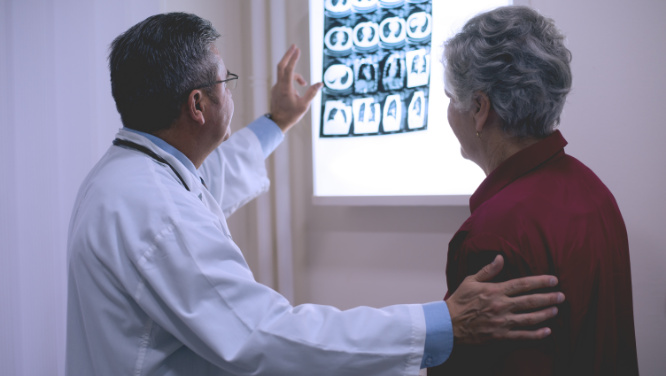
You can fill out the form to get a second doctor's opinion on the results of your tests, the diagnosis of your illness, and the treatment options we offer you.

You can receive the healthcare services you need at your home. Please fill out the form for home healthcare services.
Featured Articles
Processing of Personal Data: I consent and approve the processing of my personal data and contact information, which I provided during the registration process, by Private Anadolu Medical Center Hospital and Private Anadolu Health Ataşehir Medical Center, both in relation to my examination, appointment, and treatment, and for all kinds of health-related information, promotions, openings, invitations, event reminders, and communication activities.

Commercial Electronic Message: I agree to receive Commercial Electronic Messages from Private Anadolu Medical Center Hospital and Private Anadolu Health Ataşehir Medical Center for all kinds of health-related information, promotions, openings, invitations, event reminders, and communication activities.