How to Gain Weight? Healthy Weight Gain Methods
Body weight, also known as weight, is one of the biggest factors affecting a person’s health.
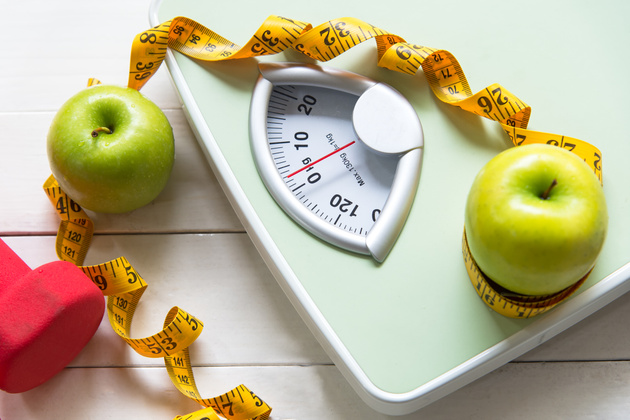
To be healthy, it’s not only important to lose weight or maintain an ideal weight, but in some cases, weight gain may also be necessary. However, this weight must be gained in a healthy way.
When Should Weight Gain Be Considered?
If a person’s weight is below the ideal for their height, age, and gender, it could indicate poor and unbalanced nutrition. In this case, it’s possible that essential nutrients for the body’s proper functioning are being inadequately consumed. For example, calcium is crucial for maintaining strong and healthy bones. If calcium intake is insufficient, the risk of developing osteoporosis (bone loss) increases. Similarly, insufficient iron intake may lead to symptoms such as fatigue and exhaustion. This applies to other nutrients as well, and calorie needs may increase during pregnancy, breastfeeding, or excessive exercise. In cases of inadequate nutrition during such periods, many negative symptoms can arise.
What Should Be Done to Gain Weight in a Healthy Way?
Eating calorie-dense, nutritious foods is the most common way to gain weight. It is important to eat and drink foods that are not only high in calories but also rich in nutrients. While unhealthy weight gain may bring a person’s weight to the desired level, an unhealthy increase in fat mass can lead to various health problems. The following are steps to take for healthy weight gain:
Increase Meal Frequency:
Starting to eat 5-6 smaller meals throughout the day can help increase calorie intake. Instead of three large meals, consuming 5-6 smaller meals supports weight gain by ensuring more calories are consumed. Even if a person doesn’t feel hungry, it is important to support the process by consuming small, calorie-dense, and nutrient-rich foods.
Choose Nutrient-Dense Foods:
In addition to eating foods that are high in calories, it’s also important to consume foods that will not lead to unhealthy weight gain. Therefore, a nutrition plan suitable for the individual, created with the help of a dietitian, should be followed. The plan can guide how many calories should be consumed throughout the day and at each meal. You can also ask the dietitian how many servings from different food groups you should consume.
Vary Your Meals:
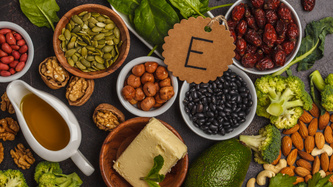
Meals can be diversified by adding calorie-dense healthy but small-volume foods. Adding healthy fats and calorie-rich foods such as milk or unsweetened peanut butter to meals can help increase protein and calorie intake. Soups are an easy way to make such additions. Various vegetables, grains, and legumes can be added to soups, helping to increase calorie intake while supporting the intake of healthy nutrients.
Consume Every Food Group:
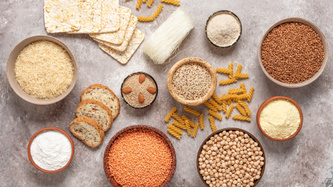
Simply consuming more food per bite is not enough for healthy weight gain. An imbalance between nutrients can lead to an unhealthy body, even if weight gain occurs. Vegetables should not be reduced just because they are low in calories. Vegetables are rich in vitamins and minerals and also contain carbohydrates and protein. Vegetable dishes or salads can be enhanced with healthy fats such as olive oil, oily seeds (hazelnuts, walnuts, almonds, etc.), grains, and legumes. Consuming these vegetables not only increases calorie intake but also supports the intake of essential micronutrients.
Make Liquids Calorie-Dense:
Instead of consuming beverages that are low in nutrients and calories, preparing smoothies with fresh fruits can increase calorie intake. Instead of diet sodas, coffee, or tea, milk, fruit juice, or full-fat dairy products can be preferred. Especially when fruit pulp is retained and added with milk or yogurt, this can help achieve higher calorie intake with smaller food portions. Healthy fats and complex carbohydrates like oats can also be added to these beverages. However, turning to calorie-dense beverages should not mean neglecting water intake. Sufficient daily water consumption is still crucial during the weight gain process.
Snack Between Meals:
Having snacks between meals is also a good way to ensure calorie intake between main meals. Healthy snack options include:
- Fruits
- Dairy products
- Oats
- Buckwheat puff
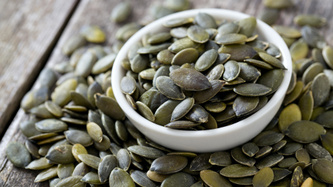
- Oily seeds
- Nut butters without added sugar
- Jam without added sugar
What Should Be Considered When Gaining Weight?
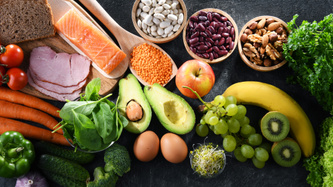
It’s not difficult to gain weight by eating more, but to gain weight healthily, it’s important to pay attention to both the foods consumed and lifestyle choices. A diet consisting of healthy fats, proteins, and complex carbohydrates, which help increase muscle and ideal fat mass, forms the most important part of the weight gain process. During this process, increasing muscle mass is important for health. Regular exercise can help prevent weight gain from accumulating as fat deposits. Otherwise, a person may gain weight, but the weight may be in the form of body fat, which can lead to health problems. Sufficient water intake is also a critical factor that should not be neglected during this process. It’s also wrong to consume any type of food to increase calorie intake. The following foods support healthy weight gain when consumed in balance:
- Lean protein sources such as chicken and fish
- Red meat
- Full-fat dairy products
- Fruits
- Whole-grain breads
- Complex carbohydrate sources
- Oily seeds
- Eggs
Is It Possible to Gain Weight in Specific Areas?
Each person’s body biology is different, and the areas affected by weight gain can vary based on this biology. With weight gain, fat mass also increases. Since weight gain affects the fat and muscle mass throughout the body, it leads to overall weight gain. However, with exercise, some areas may appear leaner. Gender is also a factor in regional weight gain. Men tend to have more fat cells in the abdominal area, so weight gain in the abdominal region may be more noticeable. In contrast, women tend to have more fat cells in the hip area.
How Can Children Gain Weight?
One of the groups that may struggle with insufficient weight gain is children. Their high level of activity can affect their ability to gain weight. Consuming healthy foods to compensate for the energy expended can help them gain weight. Here are some things parents can do to help children gain weight:
- Offer frequent meals (3 main meals and 2-3 snacks a day).
- Leave a 1-2 hour gap between meals and snacks.
- Ensure that at least two meals include protein sources such as meat, fish, eggs, cheese, beans, legumes, or lentils.
- Increase fat and carbohydrate intake with healthy options.
- Avoid simple sugary foods to prevent tooth damage, and choose jam, marmalade, chocolate sauce, or honey without added sugar.
- Instead of fried foods, add healthy fats to foods baked or boiled.
- Include a meal with milk or healthy drinks before bed.
How Can Weight Be Gained During Pregnancy?
During pregnancy, the mother’s body works to meet both her own needs and the energy requirements for the developing baby in the womb. It’s important for the mother to gain enough weight during this process to ensure the health of both mother and baby. Gaining less weight than the recommended amount during pregnancy can result in the baby being born underweight, which may increase the risk of illness and developmental delays. However, this does not mean the mother should gain excessive weight.
In general, the first trimester does not require additional calorie intake. However, during the second trimester (the second three months), about 340 extra calories per day are needed, and in the third trimester (the last three months), about 450 extra calories per day are required. These needs can vary depending on the mother’s age and her weight at the start of the pregnancy. It’s best to decide on the required weight gain amount with a healthcare professional.
Mothers who need to gain weight should get these calories from healthy foods. Iron and folic acid needs, which increase during pregnancy, should be met through food sources. Additionally, the intake of micronutrients like calcium is also important. A balanced diet rich in whole grains, vegetables, fruits, low-fat dairy products, and lean proteins can help meet the protein and calorie needs in a healthy way during this period.
How Can Weight Be Gained Through Exercise?
Exercise, especially strength training, can help build muscle and support weight gain. Exercise also stimulates appetite. Activities such as yoga, push-ups, and weight training are included in this category. Exercise can also help reduce unhealthy fat mass, leading to weight gain in the form of muscle mass. However, exercise creates a calorie deficit in the body, and when this deficit is met with the right foods, the person continues to gain weight instead of losing it.
What Should Be Considered When Gaining Weight?
People trying to gain weight should consume not only healthy but also high-energy foods. It’s important to diversify meals and eat more frequently to increase protein and calorie intake. However, if someone fills their calorie intake with harmful foods such as fast food or sugary sodas, this can lead to health problems such as obesity and high cholesterol. Increased fat mass can cause heart and vascular diseases, diabetes, obesity, and many other health issues. Therefore, attention should be paid to where the calories are coming from, sufficient water should be consumed throughout the day, weight gain should be in line with the body’s needs, and physical exercise should be maintained.
Last Updated Date: 10 May 2023
Publication Date: 10 May 2023
6 mn


























 Related Medical Articles
 Doctors
