Premenstrual Syndrome (PMS) and Its Treatment
A woman experiences menstruation about 12 times a year, often accompanied by PMS symptoms before each cycle.

PMS, also known as premenstrual syndrome, is a condition experienced by menstruating women and affects most women at least once in their lifetime. PMS is a challenging period that can significantly impact social life, mood, and work life, making it a considerable part of a woman’s life. With appropriate lifestyle changes and treatments when necessary, PMS can be managed effectively, thereby improving the individual’s quality of life.
What is PMS?
PMS is known by many names, including premenstrual syndrome, menstrual tension, and premenstrual stress. PMS, or premenstrual syndrome, is a condition that occurs in women during their youth and middle age before menstruation. It encompasses symptoms that begin in the second half of the menstrual cycle and last until the start of menstruation, disappearing with the onset of the period. Many women may experience distressing symptoms such as cramps, bowel irregularities, and headaches, which can begin before menstruation and persist for a time. These symptoms can manifest emotionally and behaviorally, negatively affecting the individual's quality of life, making it necessary to manage them. Fluctuations in estrogen and progesterone levels occur approximately 14 days before menstruation, leading to sudden mood swings. Hormonal changes are one of the main causes of these negative conditions. Several factors can contribute to the development of PMS, including:
- Smoking
- Excessive caffeine intake
- High stress levels
- Low levels of exercise and physical activity
- Excessive salt and sugar consumption
- Genetic factors
- Family history of mental disorders
- Poor nutrition
- Vitamin and mineral deficiencies
- Inadequate fluid intake
- High intake of simple carbohydrates
Causes of PMS
As with any condition, there are several potential causes of PMS, although they may not be definitive. Hormonal fluctuations are one of these causes. Changing levels of estrogen and progesterone hormones can lead to the emergence of symptoms and mood changes. Fluctuations in brain chemicals such as serotonin may exacerbate PMS symptoms. Decreased serotonin levels can bring about depression, fatigue, and sleep issues. If there is a family history of health problems such as bipolar disorder or postpartum depression, this may also increase the likelihood of PMS. Lifestyle factors, in addition to genetic and hormonal influences, can also be contributing factors. A diet rich in fats, sugars, and salts can play a role in exacerbating PMS pain and bloating. Other dietary-related causes include deficiencies in magnesium and calcium. Aside from vitamin and mineral deficiencies, even excessive water retention in the body can be a cause. Factors such as poor and insufficient nutrition, genetic predisposition, and age can increase the likelihood of developing PMS.
What are the Symptoms of PMS?
Like any disease or syndrome, PMS presents various symptoms. These symptoms can be psychological, behavioral, or physical. Symptoms typically emerge about five days before menstruation and end with the onset of the period. Although the symptoms can vary based on the individual's age, lifestyle, dietary habits, and daily routines, common complaints generally include pain, swelling, and restlessness. Some of the symptoms commonly associated with PMS include:
- Swelling
- Restlessness
- Depression
- Fatigue
- Excessive sleeping
- Decreased appetite but increased cravings for sweet and salty foods
- Concentration difficulties
- Nausea
- Bloating
- Gas formation
- Body aches
- Anxiety
- Weight gain
- Acne
- Headaches
What Should Be Done to Manage PMS?
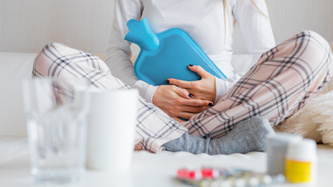
Due to the feelings of reluctance and restlessness that PMS can create, it may sometimes become a condition that one does not even want to cope with. It is necessary for individuals to start managing this period on their own or to establish a treatment option to escape from negativity. Developing habits that positively affect one's psychology, resting, and engaging in enjoyable activities can help make this period pass more smoothly. Small changes aimed at managing PMS can help reduce the discomfort associated with this recurring condition. By keeping a diary to note the experiences during each PMS phase, individuals can take necessary precautions before these symptoms arise in the next cycle. One of the most commonly used methods for managing PMS is the application of a hot compress. Hot compresses can alleviate cramps while promoting blood flow, thus preventing issues like swelling. Lifestyle and dietary changes are among the primary methods for managing the PMS period.
Nutrition
Dietary changes are among the easiest and most applicable methods for coping with bodily discomfort during PMS. Reducing sugar and caffeine consumption, and avoiding alcohol are at the forefront of dietary modifications. Increased chocolate consumption due to cravings for sweets can lead to heightened pain. It is also important to drink plenty of water to address swelling, one of the most common PMS symptoms that can cause discomfort, while reducing sodium intake. Drinking anti-spasmodic teas, such as chamomile, can help prevent or alleviate cramps, and consuming plenty of fruits, vegetables, and whole grains can ease this period. Ensuring adequate levels of folic acid, vitamin B6, calcium, and magnesium is essential for relief; if deficiencies are suspected, individuals should consult a healthcare provider. If deemed necessary by a doctor, supplementation may be beneficial.
Physical Activity
Another lifestyle change that can help alleviate PMS is physical activity and exercise. Increasing activity through relaxation exercises such as meditation and yoga can facilitate mental relaxation for the individual. This can contribute to a smoother psychological experience during this period. Regular relaxation exercises can help regulate sleep cycles and alleviate insomnia. Another benefit of exercise is the increased release of endorphins, which can reduce PMS symptoms. It is recommended to engage in aerobic exercises for at least 20-30 minutes, three times a week. Physical activities can help regulate bowel function and reduce potential complaints such as gas, cramps, and constipation.
How is PMS Treated?
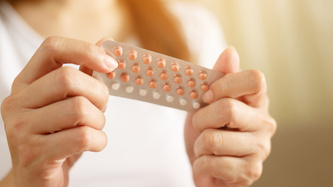
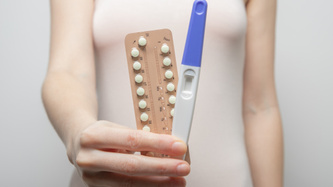
In cases where PMS cannot be managed through lifestyle changes, treatment under a doctor's supervision is implemented. The first type of treatment is medication. In women experiencing severe PMS, serotonin reuptake inhibitors are used to manage symptoms such as headaches, depression, insomnia, and anxiety, thus minimizing the impact on daily life. Another type of medication used is oral contraceptives, also known as birth control pills. These pills are not only used to control fertility; they are also prescribed for PMS treatment. These pills, which combine estrogen and progesterone, can help prevent symptoms caused by excessive estrogen, such as swelling. Other medications may include diuretics. The purpose of diuretics is to eliminate the swelling that can increase during PMS and alleviate the feeling of bloating. If PMS is due to hypothyroidism caused by insufficient thyroid hormones, thyroid treatment can help prevent symptoms.
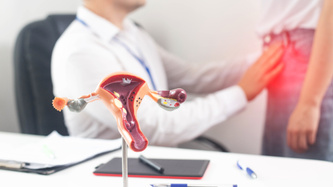
PMS is a condition that may require treatment or management in some cases. When PMS leads to issues that persist for two to three menstrual cycles and significantly affect daily life, it is essential to consult a gynecologist. However, there are no specific tests for PMS; the doctor will listen to the PMS history to determine whether the symptoms are due to PMS or another condition. If other conditions that mimic PMS symptoms, such as thyroid disorders, depression, irritable bowel syndrome, or perimenopause, are present, the treatment approach may differ. If PMS is suspected, individuals should seek care from a healthcare provider as soon as possible to obtain the necessary information.
Last Updated Date: 21 September 2022
Publication Date: 21 September 2022
6 mn





















 Related Medical Articles
 Doctors
