What Is Menopause? What Are the Symptoms of Menopause?
Menopause is the period when a woman no longer experiences menstruation due to the loss of ovarian function. Known as a natural part of aging, this condition signifies the end of fertility. Symptoms may fluctuate, increasing or decreasing over time.

What Is Menopause? What Are Its Stages?
Menopause is the time when menstrual bleeding stops. The stage leading up to menopause is called perimenopause, also known as the menopausal transition, and can start 8–10 years prior to menopause (usually in the 40s). During this stage, the ovaries gradually produce less estrogen. Perimenopause continues until ovulation ceases and menopause occurs. As menopause approaches, the decline in estrogen levels becomes more rapid. Some women may experience menopausal symptoms during or near the end of this stage, but menstrual cycles still occur, and pregnancy is possible.
In menopause, the stage following perimenopause, menstrual cycles cease entirely, and a significant reduction in estrogen production occurs. Postmenopause encompasses the rest of life after menopause. Symptoms may lessen during this phase, though some may continue experiencing symptoms for 10 years or more.
What Causes Menopause?
Menopause is typically a natural part of aging unless triggered by another factor. As a person ages, the reproductive cycle slows, and estrogen production gradually decreases. From the onset of menstruation, estrogen levels begin to decline, causing changes in menstrual cycles.
Certain factors can induce earlier menopause, such as birth control pills, radiation or chemotherapy treatments, surgical removal of the ovaries, and primary ovarian insufficiency. The normal age for menopause is between 45 and 55 years. Menopause occurring before age 45 is termed early menopause, while early-onset menopause due to ovarian insufficiency is termed primary ovarian insufficiency.
What Are the Symptoms of Menopause?
The severity of menopausal symptoms varies, with some women experiencing symptoms intermittently, while others endure them for over a decade. Possible symptoms include:
- Sudden hot flashes throughout the body
- Night sweats or chills
- Vaginal dryness
- Frequent need to urinate
- Difficulty falling asleep
- Sudden mood changes (such as irritability)
- Dryness in the eyes, mouth, or skin
- Breast tenderness
- Symptoms similar to those experienced during menstruation (e.g., bloating, fatigue)
- Heart palpitations
- Headaches
- Muscle and joint pain
- Decreased libido
- Weight gain
- Thinning or loss of hair
In addition to these symptoms, body hair may increase over time due to a lower level of estrogen compared to testosterone. If you experience such symptoms, it is recommended to consult a healthcare provider.
How Is Menopause Diagnosed?
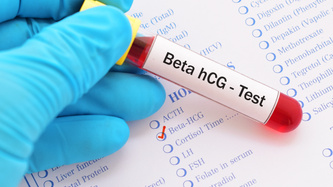
A doctor can diagnose menopause in a woman who hasn’t had a period for 12 consecutive months. Generally, no testing is necessary, but in some cases, blood tests may be done to check the levels of the following hormones:
- FSH and Estrogen: In menopause, the level of FSH (follicle-stimulating hormone) in the body increases, and estrogen decreases. Testing can confirm this situation.
- TSH: Hypothyroidism (underactive thyroid) has symptoms similar to menopause, so TSH levels may be checked to prevent confusion between the two conditions.
Is There Treatment for Menopause?
Since menopause is a natural process associated with aging, most cases may not require any treatment. Available treatments focus on reducing menopausal symptoms and include both hormone therapy and non-hormonal treatments. Non-hormonal treatments may involve certain low-dose antidepressants and other medications that help reduce symptoms. Each individual's needs are unique, so it’s best to discuss the most suitable treatment with your doctor.
When the ovaries can no longer produce sufficient estrogen and progesterone, hormone therapy may be recommended. This helps raise hormone levels and alleviate symptoms like hot flashes or vaginal dryness while also reducing risk factors that may arise. Hormone therapies are divided into two types: estrogen therapy and estrogen-progesterone therapy. Estrogen therapy provides only estrogen, whereas the other treatment involves both hormones. Hormone therapy carries certain risks, including:
- Endometrial cancer
- Gallstones or other gallbladder diseases
- Blood clots
- Deep vein thrombosis (DVT)
- Pulmonary embolism (lung clot)
- Stroke
The likelihood of these risks is lower if hormone therapy is administered within 10 years of menopause.
What Should Be Done During Menopause?
Lifestyle changes are often recommended for women going through menopause. These changes may include diet adjustments, avoiding triggers, exercise, prescription medications, and talking with others.
- Diet: In some cases, managing symptoms may require attention to food and drink choices. Limiting daily caffeine intake and avoiding spicy foods can help reduce symptom intensity.
- Avoiding Triggers: If you experience frequent hot flashes, try to keep your environment cool. Losing weight may also be an effective way to prevent hot flashes.
- Exercise: Exercising helps improve sleep quality at night, making it a beneficial recommendation for those struggling with sleep. Instead of strenuous exercise, you might try options like yoga to help enhance mood.
- Prescription Medications: Your doctor may prescribe certain medications to ease symptoms. For instance, if you experience vaginal dryness, a suitable cream may be recommended. There are also medications to help prevent hot flashes. Sharing your symptoms with a specialist can lead to more effective solutions.
- Talking to Others: Talking with others who are also going through menopause can be comforting. It not only helps you feel understood but may also teach you about aspects of menopause that you may not have been aware of.
What Are the Risk Factors of Menopause?
After entering menopause, the likelihood of developing certain conditions or diseases increases. This risk is influenced by many factors, such as genetics, premenopausal health, or lifestyle. During menopause, the risk of osteoporosis (bone disease) and coronary artery disease may rise.
Osteoporosis is a bone disease where bones become more fragile due to decreased density within the bones. This disease develops because estrogen levels decrease, as estrogen plays a vital role in maintaining bone health. By around age 60, about 25% of bone mass may be lost due to declining estrogen levels before menopause. Over time, reduced bone density makes bones more susceptible to fractures. Coronary artery disease, known as the narrowing or blockage of arteries supplying blood to the heart muscle, involves plaque buildup in the artery walls (atherosclerosis). The emergence of coronary artery disease during menopause can be attributed to lowered estrogen levels and reduced physical activity. In addition to these conditions, the risks of urinary incontinence and weight gain may also increase.
With age, the vagina and urinary tract lose elasticity, which may lead to sudden urges to urinate. This can cause urine leakage when laughing, coughing, or lifting something. Frequent urinary leakage can lead to recurrent urinary tract infections. To prevent this, you might try Kegel exercises to strengthen the muscles in the area. Weight gain can also occur due to a slowed metabolism in menopause. To maintain weight, eating less or exercising is recommended.
Menopause is a natural process experienced by all women, resulting from female characteristics and hormones, and is entirely physiological. However, it can also bring psychological effects and subsequent health issues. For support, information can be obtained by consulting a specialist in gynecology and obstetrics.
Last Updated Date: 15 January 2024
Publication Date: 15 January 2024
0 mn

























 Related Medical Articles
 Doctors
