
Wednesday, September 20, 2023
"Genetic Cancer" or "Hereditary Cancer"?



Cancer, a disease that scientists are working to treat, is one of the most significant health problems of today. Every year, 18.1 million people are diagnosed with cancer globally, and 9.6 million people lose their lives to it. In Turkey, approximately 170,000 people are diagnosed with cancer annually, and about 150,000 people die from it. According to Prof. Dr. Necdet Üskent, Coordinator of Oncology Sciences at Anadolu Health Center and Medical Oncology Specialist, "In Turkey, lung, prostate, colon, and stomach cancers are more common in men, while breast, thyroid, colon, and stomach cancers are more common in women. Worldwide, the most common cancers are lung, breast, prostate, and colorectal cancers. The cancers that cause the most deaths are, in order, lung, colorectal, stomach, and liver cancers." Prof. Dr. Necdet Üskent provided information on ways to prevent cancer.
There are over 4,000 harmful chemicals in cigarette smoke. These chemicals damage DNA, causing changes in critical genes. Cancer cells develop in the body, rapidly multiplying uncontrollably and causing cancer. Lung, ovarian cancers, some types of leukemia, and cancers of the mouth, larynx, upper pharynx, nose and sinuses, esophagus, liver, pancreas, stomach, kidneys, bladder, uterus, and intestines are directly related to smoking.
All cells in the body, including cancer cells, need sugar. Excess weight, fat accumulation around the waist, and obesity caused by sugar are among the most important factors triggering cancer. Sugar should come from vegetables and fruits. Children should be encouraged to develop healthy eating habits from an early age, and healthy snacks should be promoted. The consumption of fatty and sugary foods has been proven to be associated with cancer. Sugary foods also increase inflammation in the body. Inflammation, which is the root cause of cancer, also leads to the proliferation of cancer cells.
Fried foods, fatty meats, and other high-fat foods should be consumed less. At least five servings of fruits and vegetables should be eaten daily, particularly green leafy and high Vitamin C foods, as well as citrus fruits. Grains such as oats should be consumed, and fish should be eaten twice a week. Those with a family history of cancer should pay attention to their diet and also regularly undergo screenings.
Exercise reduces the risk of diseases such as cancer, diabetes, hypertension, and heart diseases. Regular exercise positively affects metabolism, strengthens the immune system, eliminates excess weight, and reduces stress, thus lowering cancer risk. Metabolic issues, weakened immune systems, and excess weight are major causes of cancer. Today's children are very inactive, spending time sitting in front of televisions, computers, or tablets instead of playing in parks and gardens. Walking for 30 minutes, five days a week, can reduce the risk of colon and breast cancer by 30-40%.
It is crucial to wash vegetables and fruits thoroughly and soak them in salty or vinegar water to remove chemicals/pesticides.
According to a comprehensive study conducted by the World Health Organization with the participation of 31 scientists from 14 countries, mobile phones increase the risk of brain cancer. The study found that the risk of developing a brain cancer tumor called glioma increases with the use of wireless systems. It is suggested to always use a headset while using a mobile phone, and not to sleep with the phone under the pillow or near the head.
It has been scientifically proven that many types of cancer, as well as bowel diseases, hypertension, diabetes, and heart diseases, are related to stress. To protect yourself from cancer and other diseases, it is important to learn how to manage stress and live a less stressful life. Physical activity, exercise, meditation, yoga, and music therapy are methods that can help reduce stress.
Overweight and obese individuals, especially after menopause, have an increased risk of breast cancer, colon cancer, uterine cancer, ovarian cancer, esophageal cancer, pancreatic cancer, kidney cancer, prostate cancer, stomach cancer, and gallbladder cancer. Research shows that excess weight and obesity trigger cancer. High levels of certain hormones, including estrogen and insulin, can increase the risk of developing specific cancers. Studies indicate that obesity and lack of physical activity increase the risk of developing breast, colon, and esophageal cancers by 20-25%. Obesity also increases the risk of liver and uterine cancers by 20-30%.
Irregular and poor-quality sleep negatively affects hormones and metabolism. Many beneficial hormones are released during sleep. Sleep disorders can trigger many physical and mental illnesses, including an increased risk of cancer.
Microwaves are said to alter the structure of food and significantly reduce its nutritional value. This causes the vitamins in food to become damaged or changed, which can lead to cancer over time. It is important to use microwave-safe containers when using a microwave oven.
The sun increases the risk of skin cancer, especially during the hours between 11:00 AM and 4:00 PM when sunlight is most intense and carcinogenic. It is important to use high-SPF sunscreen suitable for your skin type.
It is advisable not to use worn or scratched Teflon pans. However, there is no risk associated with high-quality, well-manufactured pans.
Plastic contains carcinogenic substances. Instead, glass or wooden utensils should be used. However, high-quality plastic products are now available that can even be used in the oven or microwave.
Last Updated Date: 25 September 2023
Publication Date: 17 April 2019

Oncology Center
Oncology Center
Oncology Center
Oncology Center

Oncology Center
Oncology Center
Oncology Center

Oncology Center
Oncology Center
Oncology Center
Oncology Center
Oncology Center
Oncology Center
Oncology Center
Oncology Center
Oncology Center

Wednesday, September 20, 2023
"Genetic Cancer" or "Hereditary Cancer"?
Wednesday, September 20, 2023
What is Pancreatic Cancer and How is the "Whipple Surgery" Applied in the Treatment Process?

Sunday, August 20, 2023
Skin (Dermal) Cancer: What It Is, Symptoms, Diagnosis, and Treatment
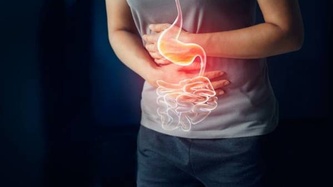
Monday, August 21, 2023
What is Stomach Cancer? What are Its Symptoms and Treatment?
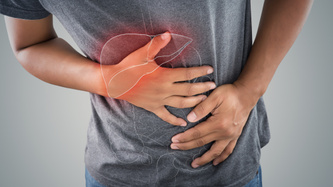
Monday, August 21, 2023
Symptoms and Treatment Methods of Pancreatic Cancer
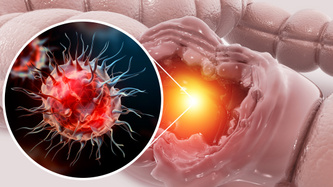
Monday, August 21, 2023
What is Rectal Cancer? What Are the Symptoms of Rectal Cancer?
Monday, August 21, 2023
Oral Cancer: What It Is, Causes, Symptoms, and Treatment

Monday, August 21, 2023
Head and Neck Cancers: What They Are, Causes, Symptoms, and Treatment
Monday, August 21, 2023
Tongue Cancer: What It Is, Symptoms, Types
Monday, August 21, 2023
What is Pharynx or Throat Cancer? Symptoms and Treatment Process
Monday, August 21, 2023
Nasopharyngeal Cancer: Symptoms, Causes, and Treatment
Monday, August 21, 2023
Liver Cancer
Monday, August 21, 2023
Gallbladder Cancer Symptoms, Causes, and Treatment
Monday, August 21, 2023
Bone Cancer: What Is It, Types, Symptoms, Diagnosis, and Treatment
Monday, August 21, 2023
Soft Tissue Cancer (Sarcoma): Definition, Symptoms, Types, and Treatment
Wednesday, August 23, 2023
Symptoms, Diagnosis, and Treatment Process of Bladder Cancer
Wednesday, August 23, 2023
What Are the Symptoms of Prostate Cancer? Stages and Treatment
Wednesday, August 23, 2023
What Are the Symptoms and Treatment Methods of Testicular Cancer?

Wednesday, August 23, 2023
What is Cervical Cancer?
Wednesday, August 23, 2023
Vulvar Cancer: What It Is, Types, Symptoms, Diagnosis, and Treatment
Thursday, August 24, 2023
Cervical Cancer: Symptoms, Types, and Treatment
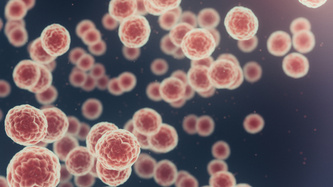
Thursday, August 24, 2023
How Does Cancer Form?

Thursday, August 24, 2023
Orthopedic Oncology
Thursday, August 24, 2023
Symptoms and Treatment Methods of Lymph (Lymphoma) Cancer
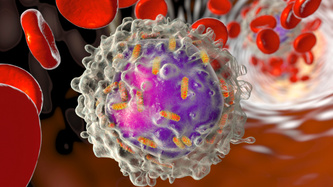
Thursday, August 24, 2023
Leukemia (Blood Cancer): What Is It, What Are Its Symptoms, Diagnosis, and Treatment Methods?
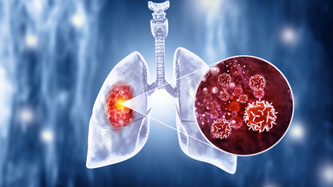
Thursday, August 24, 2023
What Is Lung Cancer? Symptoms and Treatment

Thursday, August 24, 2023
Palliative Care: What Is It, How Is It Received, and What Are Its Conditions?
Thursday, August 24, 2023
What is Liquid Biopsy? How is Liquid Biopsy Performed?
Thursday, August 24, 2023
What Are the Symptoms, Causes, and Treatment of Laryngeal Cancer?
Thursday, August 24, 2023
Types of Skin Cancer, Diagnosis, and Treatment Processes
Friday, September 15, 2023
What is Cancer? Diagnosis and Treatment Methods
Wednesday, September 20, 2023
Cancer Spread Throughout the Body Due to Incorrect Treatment
Wednesday, September 20, 2023
Common Misconceptions About Cancer
Wednesday, September 20, 2023
What is Immunotherapy? How is Immunotherapy Applied?
Wednesday, September 20, 2023
What is Ovarian (Ovary) Cancer, Its Symptoms, and Treatment
Wednesday, September 20, 2023
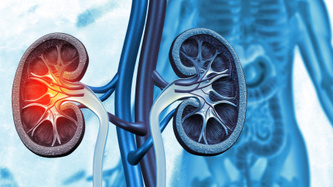
Kidney Cancer Symptoms and Treatment Methods
Wednesday, October 18, 2023
Cancer Pain
Wednesday, October 18, 2023
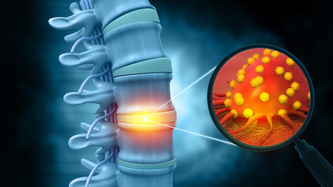
Bone Tumors
Thursday, November 9, 2023
What is Cancer Treatment? How is Cancer Treatment Done?
Monday, February 2, 2026
What Is Pancreatic Cancer? What Are the Symptoms of Pancreatic Cancer?
Monday, February 2, 2026
What Is Soft Tissue Cancer (Sarcoma)? Symptoms and Treatment
Featured Cancer Articles
 Related Medical Articles
 Doctors

Processing of Personal Data: I consent and approve the processing of my personal data and contact information, which I provided during the registration process, by Private Anadolu Medical Center Hospital and Private Anadolu Health Ataşehir Medical Center, both in relation to my examination, appointment, and treatment, and for all kinds of health-related information, promotions, openings, invitations, event reminders, and communication activities.
Commercial Electronic Message: I agree to receive Commercial Electronic Messages from Private Anadolu Medical Center Hospital and Private Anadolu Health Ataşehir Medical Center for all kinds of health-related information, promotions, openings, invitations, event reminders, and communication activities.
