

Wednesday, September 20, 2023
"Genetic Cancer" or "Hereditary Cancer"?


Soft tissue cancer, known in medical literature as sarcoma, is a rare type of cancer that develops from the body’s supportive tissues such as muscles, fat, nerves, blood vessels, and connective tissue. Sarcomas may progress slowly or rapidly; however, some subtypes behave aggressively and can spread to surrounding tissues and distant organs in a short period of time. Although sarcoma can occur at any age, certain types are more common in children, while others are more frequently seen in older adults. Because it often does not cause symptoms in the early stages and may present with varied clinical features, diagnosis can sometimes be delayed. For this reason, understanding the causes, symptoms, risk factors, and treatment options of sarcoma is crucial for early diagnosis and effective treatment.
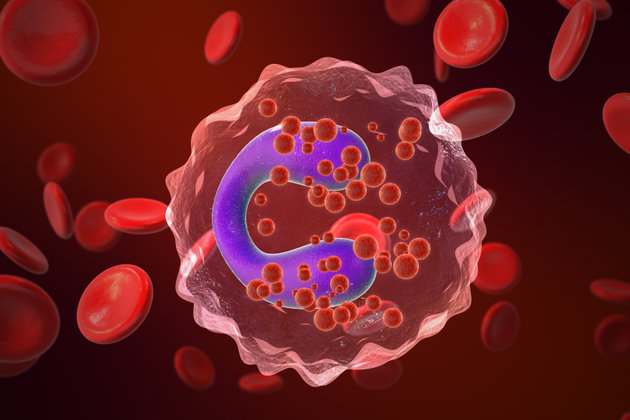
Sarcoma is a rare type of cancer that can develop in connective tissue, muscles, fat tissue, nerves, blood vessels, or other soft tissues of the body. Soft tissue sarcomas can occur almost anywhere in the body but are most commonly found in the arms, legs, and abdominal region. Sarcomas account for approximately 1% of all cancers and can affect both children and adults. These tumors often do not cause noticeable symptoms in the early stages, which makes early diagnosis challenging.
Symptoms of soft tissue cancer vary depending on the tumor’s location, size, and its effect on surrounding structures. In the early stage, it typically presents as a painless mass. As the tumor grows, pain, functional impairment, or pressure-related symptoms may develop.
Common symptoms of soft tissue cancer include:
A painless lump under the skin that gradually increases in size
Tenderness or pain in the tumor area
Restricted movement when the tumor is near a joint
Numbness, tingling, or weakness due to nerve compression
Digestive problems or abdominal bloating when the tumor is located in the abdomen
Fatigue, weight loss, and general weakness in advanced stages
Although the exact cause of sarcoma is not fully known, a combination of genetic predisposition and environmental factors plays a role. DNA damage leading to uncontrolled cell growth triggers tumor formation.
The most common causes associated with sarcoma include:
Genetic mutations: Especially mutations in tumor suppressor genes such as TP53 and RB1
Inherited syndromes: Li-Fraumeni syndrome, neurofibromatosis type 1
Radiation exposure: Increased risk in individuals who previously received radiotherapy
Chemical exposure: Carcinogens such as vinyl chloride and arsenic
Weakened immune system: Following organ transplantation or long-term use of immunosuppressive medications
Age over 50
Male gender
Long-term exposure to ultraviolet or ionizing radiation
Occupational exposure to certain chemicals (pesticides, industrial solvents)
Family history of sarcoma
Previous soft tissue injuries (not a direct cause, but monitored closely)
Sarcomas are classified into many subtypes based on their histological characteristics. Each type differs in growth rate, metastatic potential, and response to treatment.
Common types of soft tissue sarcoma include:
Liposarcoma: Develops from fat tissue; commonly seen in the legs and abdomen
Leiomyosarcoma: Arises from smooth muscle tissue; frequently affects the uterus and gastrointestinal tract
Rhabdomyosarcoma: Originates from skeletal muscle tissue; more common in children
Angiosarcoma: Develops from blood or lymphatic vessels; may occur in the skin or liver
Fibrosarcoma: Arises from fibroblasts in connective tissue
Synovial sarcoma: Typically occurs near joints
Early and accurate diagnosis is essential in sarcoma management. Evaluation begins with a detailed medical history and physical examination, followed by imaging and biopsy.
Diagnostic methods include:
Magnetic Resonance Imaging (MRI): Determines tumor size and spread to surrounding tissues
Computed Tomography (CT): Used to screen for metastases in the chest and abdomen
Ultrasound: May be the first step for evaluating superficial masses
Positron Emission Tomography (PET-CT): Assesses the presence of metastases
Biopsy: The gold standard for diagnosis; tru-cut or open surgical biopsy is performed
The goals of sarcoma treatment are to completely remove the tumor, prevent spread, and preserve the patient’s quality of life. Treatment planning depends on the tumor type, stage, location, and the patient’s overall health. In early-stage disease, surgery is the most effective treatment, and the tumor is removed with clear margins of healthy tissue.
Treatment options include:
Radiotherapy: Used before surgery (neoadjuvant) to shrink the tumor or after surgery (adjuvant) to reduce recurrence risk
Chemotherapy: Particularly used for high-grade or metastatic sarcomas; drugs such as doxorubicin and ifosfamide are commonly used
Targeted therapies: Applied in certain sarcomas with specific genetic mutations
Immunotherapy: A modern treatment approach that activates the immune system against cancer cells
Sarcoma can be completely cured if diagnosed early and treated appropriately. However, treatment is more challenging in high-grade, large, or metastatic sarcomas. Regular follow-up is essential to prevent recurrence after treatment.
Sarcoma staging is based on tumor size, grade, lymph node involvement, and presence of metastasis:
Stage 1: Small, low-grade tumor with no lymph node or distant metastasis
Stage 2: Medium-sized or high-grade tumor without metastasis
Stage 3: Large, high-grade tumor; may involve regional lymph nodes
Stage 4: Presence of distant metastases (lungs, liver, etc.)
Carcinoma originates from epithelial tissues (skin and the lining of internal organs) and is much more common. Sarcoma develops from connective tissue, muscle, fat, blood vessels, or nerves and is rare. Carcinomas are more frequently seen in older adults, whereas some sarcoma types occur in children. The two diseases differ in treatment protocols, patterns of spread, and prognosis.
Yes, sarcoma may recur after treatment. The risk of recurrence depends on the tumor type, grade, stage, and treatment approach. High-grade and large tumors carry a higher risk. Local recurrence may occur if surgical margins are insufficient. Regular follow-up with physical examinations and imaging during the first 2–3 years after treatment is especially important.
Although rare, soft tissue sarcoma is a serious cancer that can lead to significant health problems. Early diagnosis and appropriate treatment play a critical role in controlling the disease and extending survival. Regular follow-up after treatment is one of the most effective ways to reduce recurrence risk. With a multidisciplinary approach combining surgery, radiotherapy, chemotherapy, and modern treatment methods, long-term survival can be achieved in many patients. Increasing public awareness of this disease will help improve early diagnosis rates and treatment success.
Last Updated Date: 02 February 2026
Publication Date: 02 February 2026

Oncology Center

Oncology Center

Oncology Center

Oncology Center

Oncology Center

Oncology Center

Oncology Center

Oncology Center
Oncology Center
Oncology Center
Oncology Center
Oncology Center
Oncology Center
Oncology Center
Oncology Center
Oncology Center

Wednesday, September 20, 2023
"Genetic Cancer" or "Hereditary Cancer"?

Wednesday, September 20, 2023
3 Ways to Prevent Cancer
Wednesday, September 20, 2023
What is Pancreatic Cancer and How is the "Whipple Surgery" Applied in the Treatment Process?

Sunday, August 20, 2023
Skin (Dermal) Cancer: What It Is, Symptoms, Diagnosis, and Treatment
Monday, August 21, 2023
What is Stomach Cancer? What are Its Symptoms and Treatment?
Monday, August 21, 2023
Symptoms and Treatment Methods of Pancreatic Cancer
Monday, August 21, 2023
What is Rectal Cancer? What Are the Symptoms of Rectal Cancer?

Monday, August 21, 2023
Oral Cancer: What It Is, Causes, Symptoms, and Treatment

Monday, August 21, 2023
Head and Neck Cancers: What They Are, Causes, Symptoms, and Treatment

Monday, August 21, 2023
Tongue Cancer: What It Is, Symptoms, Types
Monday, August 21, 2023
What is Pharynx or Throat Cancer? Symptoms and Treatment Process

Monday, August 21, 2023
Nasopharyngeal Cancer: Symptoms, Causes, and Treatment
Monday, August 21, 2023
Liver Cancer
Monday, August 21, 2023
Gallbladder Cancer Symptoms, Causes, and Treatment
Monday, August 21, 2023
Bone Cancer: What Is It, Types, Symptoms, Diagnosis, and Treatment
Monday, August 21, 2023
Soft Tissue Cancer (Sarcoma): Definition, Symptoms, Types, and Treatment

Wednesday, August 23, 2023
Symptoms, Diagnosis, and Treatment Process of Bladder Cancer
Wednesday, August 23, 2023
What Are the Symptoms of Prostate Cancer? Stages and Treatment
Wednesday, August 23, 2023
What Are the Symptoms and Treatment Methods of Testicular Cancer?

Wednesday, August 23, 2023
What is Cervical Cancer?
Wednesday, August 23, 2023
Vulvar Cancer: What It Is, Types, Symptoms, Diagnosis, and Treatment
Thursday, August 24, 2023
Cervical Cancer: Symptoms, Types, and Treatment
Thursday, August 24, 2023
How Does Cancer Form?

Thursday, August 24, 2023
Orthopedic Oncology
Thursday, August 24, 2023
Symptoms and Treatment Methods of Lymph (Lymphoma) Cancer
Thursday, August 24, 2023
Leukemia (Blood Cancer): What Is It, What Are Its Symptoms, Diagnosis, and Treatment Methods?
Thursday, August 24, 2023
What Is Lung Cancer? Symptoms and Treatment

Thursday, August 24, 2023
Palliative Care: What Is It, How Is It Received, and What Are Its Conditions?
Thursday, August 24, 2023
What is Liquid Biopsy? How is Liquid Biopsy Performed?
Thursday, August 24, 2023
What Are the Symptoms, Causes, and Treatment of Laryngeal Cancer?
Thursday, August 24, 2023
Types of Skin Cancer, Diagnosis, and Treatment Processes
Friday, September 15, 2023
What is Cancer? Diagnosis and Treatment Methods
Wednesday, September 20, 2023
Cancer Spread Throughout the Body Due to Incorrect Treatment

Wednesday, September 20, 2023
Common Misconceptions About Cancer
Wednesday, September 20, 2023
What is Immunotherapy? How is Immunotherapy Applied?
Wednesday, September 20, 2023
What is Ovarian (Ovary) Cancer, Its Symptoms, and Treatment
Wednesday, September 20, 2023
Kidney Cancer Symptoms and Treatment Methods
Wednesday, October 18, 2023
Cancer Pain
Wednesday, October 18, 2023
Bone Tumors

Thursday, November 9, 2023
What is Cancer Treatment? How is Cancer Treatment Done?
Monday, February 2, 2026
What Is Pancreatic Cancer? What Are the Symptoms of Pancreatic Cancer?
Featured Cancer Articles
 Related Medical Articles
 Doctors

Processing of Personal Data: I consent and approve the processing of my personal data and contact information, which I provided during the registration process, by Private Anadolu Medical Center Hospital and Private Anadolu Health Ataşehir Medical Center, both in relation to my examination, appointment, and treatment, and for all kinds of health-related information, promotions, openings, invitations, event reminders, and communication activities.
Commercial Electronic Message: I agree to receive Commercial Electronic Messages from Private Anadolu Medical Center Hospital and Private Anadolu Health Ataşehir Medical Center for all kinds of health-related information, promotions, openings, invitations, event reminders, and communication activities.
