

Wednesday, September 20, 2023
"Genetic Cancer" or "Hereditary Cancer"?


Cervical cancer is one of the most common types of cancer in women. Every year in our country, thousands of women are diagnosed with cervical cancer, and thousands of women lose their lives due to cervical cancer. It is possible to prevent deaths due to cervical cancer with vaccination and screening.
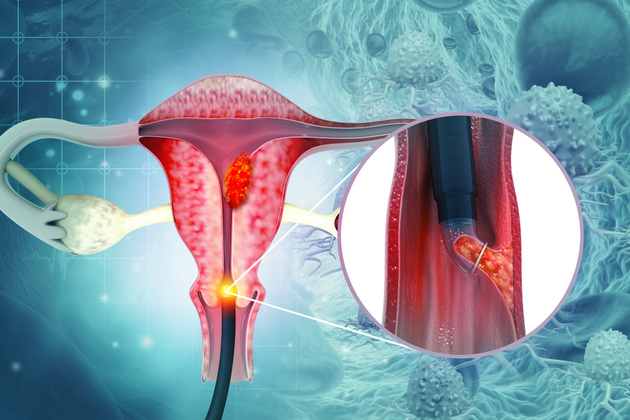
Cervical cancer is one of the most common types of cancer among women. Thousands of women in our country are diagnosed with cervical cancer each year, and thousands lose their lives due to it. Vaccination and screening can prevent deaths related to cervical cancer.
Cervical cancer may not show any symptoms in the early stages. Symptoms that may be seen as the disease progresses include:
People with conditions related to the uterus, such as endometriosis, may also experience similar symptoms to cervical cancer. These individuals should have necessary screenings if there is an increase in the number, frequency, or severity of symptoms.
There are different subtypes of cervical cancer. The type of cervical cancer a patient has is important in terms of the course and treatment of the disease. The types of cervical cancer include:
In some cases, both types of cancer may develop in a patient. Although rare, cancer can also originate from other cells in the cervix.
Nearly all cervical cancer cases are related to HPV. Therefore, preventing HPV infection can also help prevent cervical cancer. There are HPV vaccines developed for this purpose. Vaccination of individuals, especially those aged 9-26, significantly reduces the likelihood of developing cervical cancer in the future. In addition to cervical cancer, HPV can also lead to cancers such as throat cancer, penile cancer, and anal cancer. Therefore, not only women but also men should be vaccinated. The HPV vaccine used in our country is known as the quadrivalent vaccine and is developed against four subtypes of HPV that cause cancer. It is administered in three doses. The HPV vaccine is not included in the National Vaccination Program. Therefore, individuals who want to vaccinate themselves or their children need to obtain the vaccine from a pharmacy and get vaccinated at healthcare facilities.
Women should have cervical screening tests every five years until the age of 65, even if they do not have any complaints. These tests play an important role in the early diagnosis and treatment of cancer. Just as in breast and colon cancer, screening is important in cervical cancer as well.
The diagnosis of cervical cancer can be made based on the symptoms present in a person, as well as through screening tests. The cervical cancer screening program is conducted in our country, as in developed countries worldwide. This screening includes Pap Smear and HPV DNA tests for sexually active women aged 30-65. The main two tests used in screening are:
People with suspicious results for cancer in the screening tests undergo further examination to establish a definitive diagnosis. A biopsy may be required for diagnosis in people suspected of having cervical cancer. The doctor examines the cervix closely for possible abnormalities using an instrument called a colposcope and takes a tissue sample from this area. The definitive diagnosis is made by examining the taken sample in pathology.
After diagnosing cervical cancer, imaging methods can be used to determine the stage of cancer. The treatment of cervical cancer varies depending on the stage of the disease and the patient's age and general health condition. The treatment methods that can be used for cervical cancer are as follows:
Cervical cancer forms when the DNA of cells in the cervix undergoes mutations. Healthy cells divide at a certain rate and die when the time comes. However, these control mechanisms are lost in cancer cells. Cancer cells divide rapidly and uncontrollably, forming masses known as tumors. The disease progresses as cancer cells spread to surrounding tissues or different parts of the body.
Approximately 99% of cervical cancer cases are related to HPV. In some people infected with HPV, the virus remains in the cells for years and at some point, leads to cancer development. However, not everyone infected with HPV will develop cervical cancer, indicating that environmental factors and lifestyle also play a role in cancer development. Factors that increase the risk of cervical cancer include:
Last Updated Date: 10 January 2024
Publication Date: 11 August 2016


Oncology Center

Oncology Center

Oncology Center

Oncology Center

Oncology Center

Oncology Center

Oncology Center

Oncology Center
Oncology Center
Oncology Center
Oncology Center
Oncology Center
Oncology Center
Oncology Center
Oncology Center
Oncology Center

Wednesday, September 20, 2023
"Genetic Cancer" or "Hereditary Cancer"?

Wednesday, September 20, 2023
3 Ways to Prevent Cancer

Wednesday, September 20, 2023
What is Pancreatic Cancer and How is the "Whipple Surgery" Applied in the Treatment Process?

Sunday, August 20, 2023
Skin (Dermal) Cancer: What It Is, Symptoms, Diagnosis, and Treatment

Monday, August 21, 2023
What is Stomach Cancer? What are Its Symptoms and Treatment?

Monday, August 21, 2023
Symptoms and Treatment Methods of Pancreatic Cancer
Monday, August 21, 2023
What is Rectal Cancer? What Are the Symptoms of Rectal Cancer?

Monday, August 21, 2023
Oral Cancer: What It Is, Causes, Symptoms, and Treatment

Monday, August 21, 2023
Head and Neck Cancers: What They Are, Causes, Symptoms, and Treatment

Monday, August 21, 2023
Tongue Cancer: What It Is, Symptoms, Types

Monday, August 21, 2023
What is Pharynx or Throat Cancer? Symptoms and Treatment Process

Monday, August 21, 2023
Nasopharyngeal Cancer: Symptoms, Causes, and Treatment

Monday, August 21, 2023
Liver Cancer

Monday, August 21, 2023
Gallbladder Cancer Symptoms, Causes, and Treatment
Monday, August 21, 2023
Bone Cancer: What Is It, Types, Symptoms, Diagnosis, and Treatment
Monday, August 21, 2023
Soft Tissue Cancer (Sarcoma): Definition, Symptoms, Types, and Treatment

Wednesday, August 23, 2023
Symptoms, Diagnosis, and Treatment Process of Bladder Cancer

Wednesday, August 23, 2023
What Are the Symptoms of Prostate Cancer? Stages and Treatment

Wednesday, August 23, 2023
What Are the Symptoms and Treatment Methods of Testicular Cancer?

Wednesday, August 23, 2023
What is Cervical Cancer?

Wednesday, August 23, 2023
Vulvar Cancer: What It Is, Types, Symptoms, Diagnosis, and Treatment

Thursday, August 24, 2023
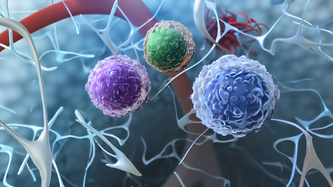
How Does Cancer Form?

Thursday, August 24, 2023
Orthopedic Oncology
Thursday, August 24, 2023
Symptoms and Treatment Methods of Lymph (Lymphoma) Cancer
Thursday, August 24, 2023
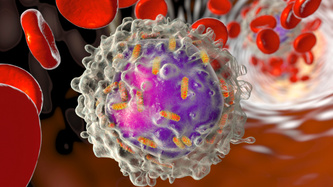
Leukemia (Blood Cancer): What Is It, What Are Its Symptoms, Diagnosis, and Treatment Methods?
Thursday, August 24, 2023
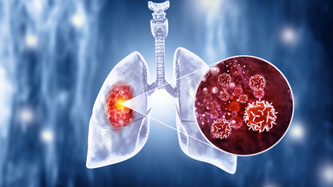
What Is Lung Cancer? Symptoms and Treatment

Thursday, August 24, 2023
Palliative Care: What Is It, How Is It Received, and What Are Its Conditions?

Thursday, August 24, 2023
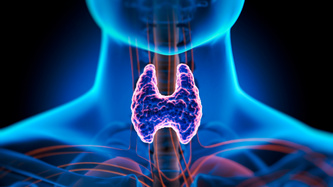
What is Liquid Biopsy? How is Liquid Biopsy Performed?
Thursday, August 24, 2023
What Are the Symptoms, Causes, and Treatment of Laryngeal Cancer?
Thursday, August 24, 2023
Types of Skin Cancer, Diagnosis, and Treatment Processes

Friday, September 15, 2023
What is Cancer? Diagnosis and Treatment Methods
Wednesday, September 20, 2023
Cancer Spread Throughout the Body Due to Incorrect Treatment

Wednesday, September 20, 2023
Common Misconceptions About Cancer

Wednesday, September 20, 2023
What is Immunotherapy? How is Immunotherapy Applied?
Wednesday, September 20, 2023
What is Ovarian (Ovary) Cancer, Its Symptoms, and Treatment
Wednesday, September 20, 2023
Kidney Cancer Symptoms and Treatment Methods

Wednesday, October 18, 2023
Cancer Pain
Wednesday, October 18, 2023
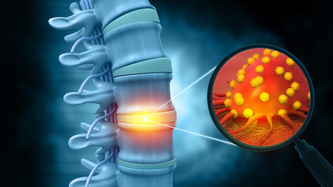
Bone Tumors

Thursday, November 9, 2023
What is Cancer Treatment? How is Cancer Treatment Done?

Monday, February 2, 2026
What Is Pancreatic Cancer? What Are the Symptoms of Pancreatic Cancer?
Monday, February 2, 2026
What Is Soft Tissue Cancer (Sarcoma)? Symptoms and Treatment
Featured Cancer Articles
 Related Medical Articles
 Doctors

Processing of Personal Data: I consent and approve the processing of my personal data and contact information, which I provided during the registration process, by Private Anadolu Medical Center Hospital and Private Anadolu Health Ataşehir Medical Center, both in relation to my examination, appointment, and treatment, and for all kinds of health-related information, promotions, openings, invitations, event reminders, and communication activities.
Commercial Electronic Message: I agree to receive Commercial Electronic Messages from Private Anadolu Medical Center Hospital and Private Anadolu Health Ataşehir Medical Center for all kinds of health-related information, promotions, openings, invitations, event reminders, and communication activities.
